UNITED STATES—The structure of the average kid’s schedule has changed drastically for the most recent generations. Instead of running outside to play once home and school commitments are complete, kids often opt to stay indoors.
As such, kids are losing out on vital brain development opportunities that influence long-term growth and self-regulation skills. However, there are several brain-boosting benefits for kids when they get outside and play on the playground.
1. Playsets Present Unique Problem-Solving Opportunities
Sometimes, the indoor play choice is intellectually stimulating, like building a LEGO set or mastering a puzzle. Other times, the go-to choice of entertainment is one where the child is entertained but not engaged with the activity. However, on a playground, there are unlimited opportunities to encounter and solve problems.
Typically, caregivers stay back from the play, and let kids figure things out on their own. With much of their day riddled with rigidity, thanks to school and home responsibilities, this free play can be thrilling. Time on the playground is often one of the few times when they can effectively be in charge.
If they go up to the top of a tower, they must come down. When they are in the center of an obstacle course tube, they need to decide if they can push forward. Separated from the watchful eye and saving arms of a caregiver, kids are challenged to solve problems independently.
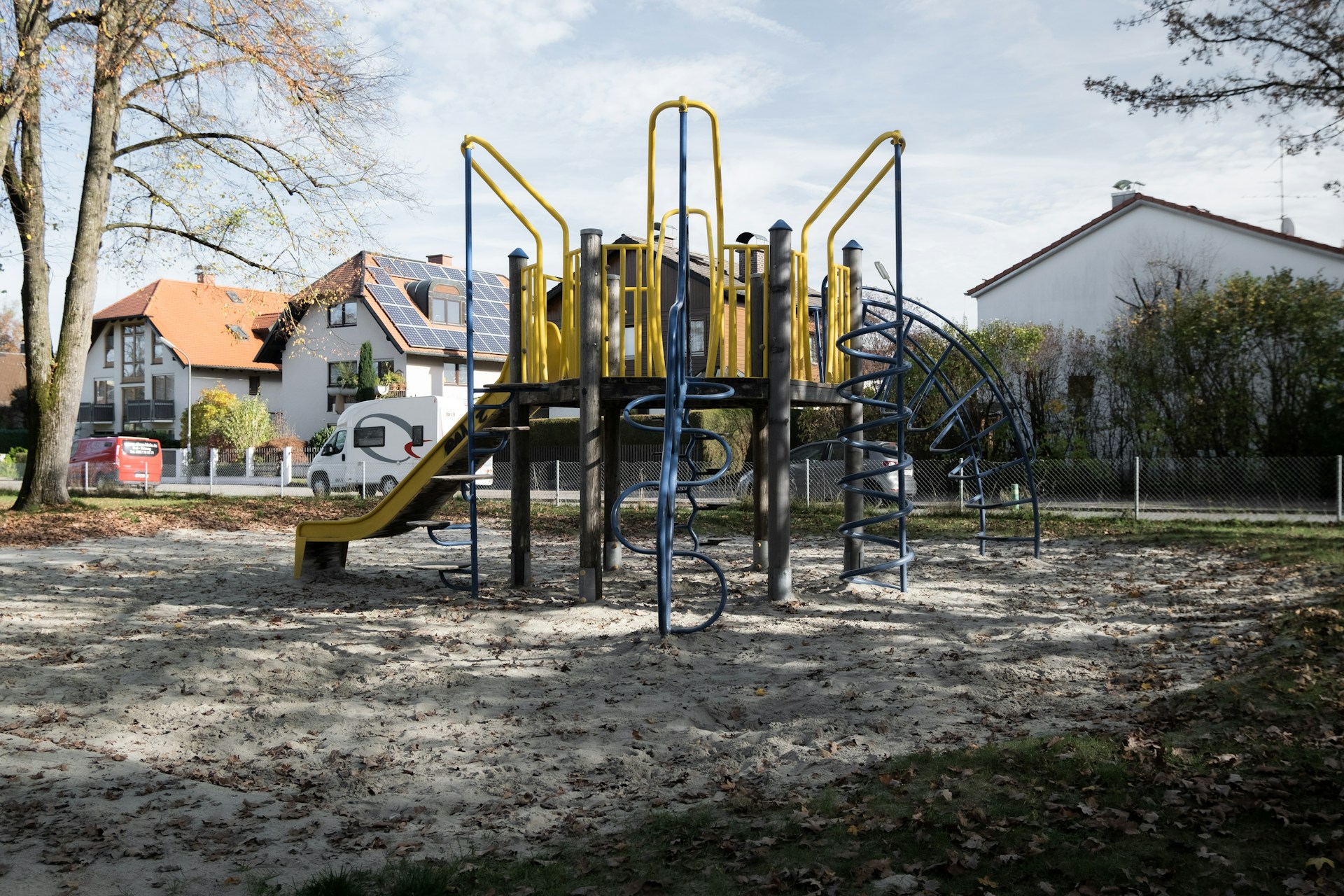
Ideally, playground equipment for schools features dynamic elements that suit kids for years of play. Towers, climbing elements, and rock walls push kids to test their limits, adjust their plans, and overcome challenges.
2. Fine Motor Skills Take Center Stage
Sitting down for long periods of time is not healthy, but it’s what we expect of kids and adults. Compliance with rules, sitting still, and waiting one’s turn is typical for much of human life. On the playground, kids get to be wild and tap into essential fine motor movements that modern life tamps down.
Balancing, bouncing, leaping, and swinging encourages usage of a full suite of muscles that otherwise lay dormant. Kids get a healthy outlet of energy but also support their brain development by utilizing their whole body.
Testing their limits and balance helps improve their spatial awareness and coordination. This can help them navigate crowded areas, do well in athletic endeavors, and sharpen their reaction time to external stimuli.
3. Social Interactions Challenge Resiliency
A friendly game of tag can quickly turn contentious when a new playmate decides to break the rules. Kids can quickly develop community groups on the playground, deciding what they will and won’t allow, even among strong-willed playmates. An effort to build a fort or structure a playground battle plan gives kids chances to interact with one another and decide how to accomplish their goal.
Kids learn how to share, negotiate, and advocate for themselves during group play. These interactions allow kids to gain perspective over others’ situations both on and off the playground. Kids who play in groups have been shown to have greater empathy for others.
Emotional resilience and self-regulation can also be bolstered through playground play. During a game, kids may become frustrated, but with a team mentality, they won’t let it stop the play.
Instead, they may reinforce the rules and communicate expectations while managing their anger. In adulthood, motion regulation is one of the essential ways to manage stress response and build healthy relationships.
4. Neural Connections Spark With Sensory Play
Sensory play is linked to increased neural connections, which help build a more dynamic brain over time. With indoor play, many sensory inputs, like smell and texture are removed from playtime. On a screen, there may be colors and sounds and maybe even vibrations, but there’s no replacement for tangible play.
By offering the full suite of sensory inputs, the brain can learn how to notice details and manage one’s surroundings. In adulthood, there is less control over what environment you’re in, and without this crucial skill, sensory stimulation, and overstimulation may not be managed well. By getting outside and playing, kids can build their brains and have fun.
5. Self-Confidence Soars in a Safe Environment
If the space between a playground platform and a fire pole seems wide, you may be right. However, the moment a child trusts themselves to hold on tight and enjoy the ride is foundational to their confidence.
Testing one’s limits in a space designed for it gives kids opportunities for small wins. When they realize that they can do something that once scared them, they build confidence. If, and when, they fall, they’re encouraged to get back up and try again.
Independent play on a playground allows kids to set the rules of the game, self-governing and reinforcing expectations. Kids learn to speak up, care for others, and advocate for what’s right. They assess risks and make decisions, all of which are critical life skills.
Play Time is Learning Time
If you want kids to be well-rounded, creative, and kind, take them to the playground. And if you want them to keep playing, fill your playground with stimulating, challenging, and varied equipment.
A lookout tower can be a treehouse just like it can be the bird’s nest of a pirate ship. No matter how a child enters the playground, they’ll leave with the confidence and brain-boosting benefits for life.