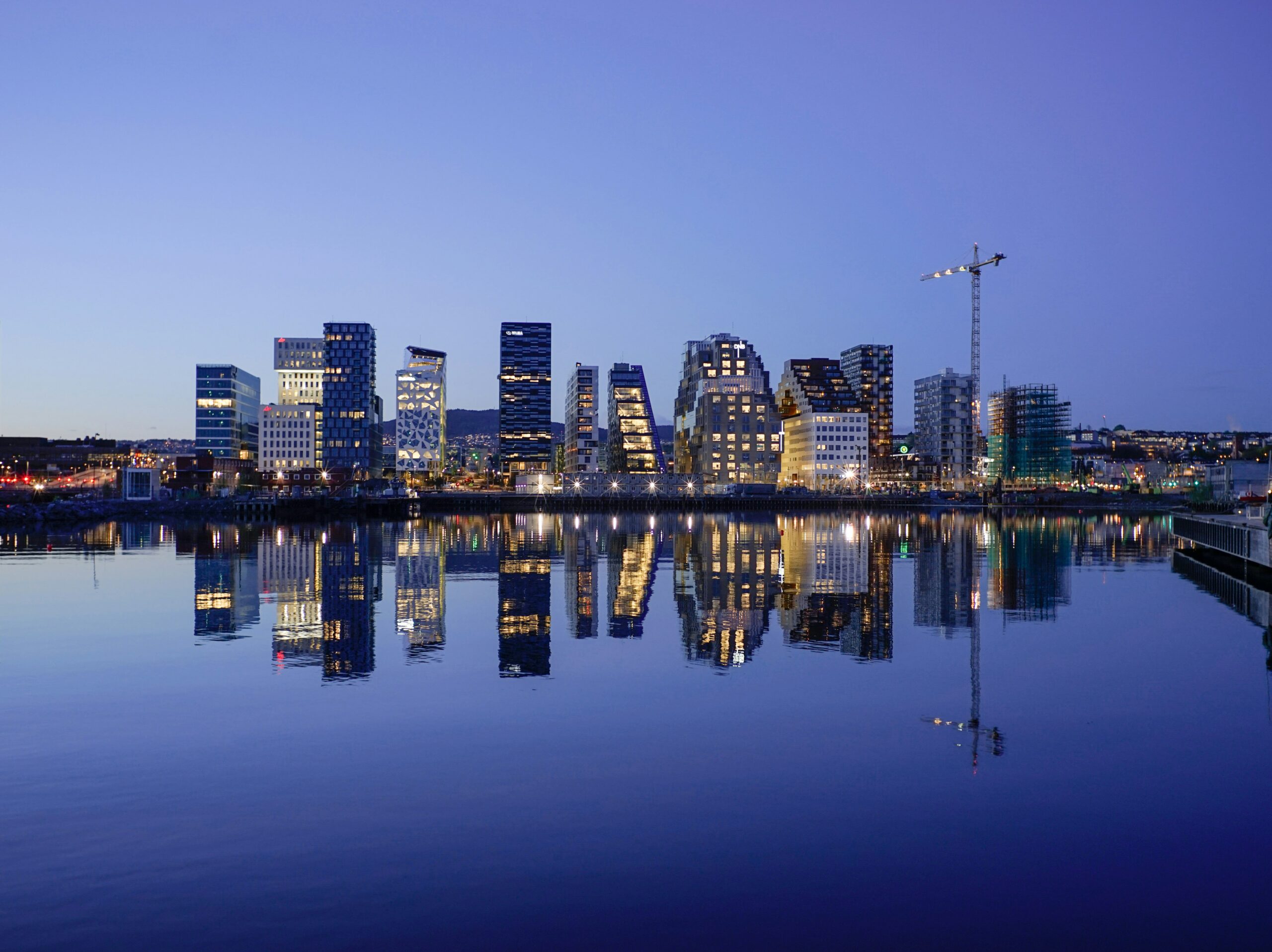
UNITED STATES—Oslo has this way of blending modern Scandinavian life with forests, waterfront views, historic landmarks, and a genuine outdoor culture that never feels far away. Whether you’ve got a weekend or a full week to explore Norway’s capital, the city delivers a pretty comfortable mix of museums, public spaces, good food, and natural spots you can actually reach without much hassle. Add in an efficient public transport system and a center that’s mostly walkable, and Oslo turns out to be a pretty easy city to explore without needing a car at all.
One thing worth sorting out early is what to do with your bags if you land before your hotel’s ready to check you in, or if you’re leaving after checkout with hours still to kill. Having somewhere reliable to stash your luggage makes a real difference in how much of the city you actually get to see. Services like Luggage Storage Oslo City Hall come in handy here — a solid option for anyone who wants to spend a few hours exploring central Oslo without hauling a suitcase the entire time.
Kick Things Off Around Oslo City Hall
Oslo City Hall — known locally as Rådhuset — is one of the city’s most recognizable landmarks. It’s a big brick building sitting right near the waterfront, easy to spot thanks to its distinctive architecture and decorative detail. It’s also where the Nobel Peace Prize ceremony is held every year, which gives it a certain weight beyond just being a nice building to look at.
The area around City Hall is honestly one of the better places to start exploring central Oslo. From here, you can walk toward the harbor, Aker Brygge, the National Museum, and a handful of other major sights, all without much effort. It’s close to public transport too, which makes it a genuinely convenient jumping-off point for the rest of your day.
If you’ve just landed with luggage and your accommodation isn’t ready yet, sorting your bags out before you start sightseeing saves a lot of time and hassle later. Radical Storage is one option travelers tend to run into when looking for storage in central Oslo.
Walk the Oslo Waterfront
Oslo’s waterfront has changed a lot over the years and become one of the more interesting parts of the city to just wander through. A walk along the harbor can string together several attractions without needing to hop on public transport in between.
Aker Brygge is known for its restaurants, cafés, shops, and views out across the Oslo Fjord. Just next door, Tjuvholmen brings contemporary architecture, public art, and easy waterfront access into the mix. Both areas come alive in the warmer months, when people spill outside to soak up the long Scandinavian evenings.
The Oslo Opera House deserves a stop too. Its sloped roof is actually designed for people to walk up onto, giving you a view over the city and the harbor — and even if you’re not catching a performance, the building itself is worth seeing as part of Oslo’s modern architectural identity.
Spend Some Time in Oslo’s Museums
Oslo has a genuinely wide range of museums covering art, history, culture, and Norwegian heritage. The National Museum stands out as one of the city’s most significant cultural institutions, with collections spanning Norwegian and international art, design, and architecture.
If maritime history interests you, the Fram Museum offers a real look into Norwegian polar exploration. The Kon-Tiki Museum, meanwhile, is built around the expeditions of Norwegian explorer Thor Heyerdahl, with artifacts tied directly to his famous voyages.
The Viking Ship Museum site has long been a draw for anyone interested in Viking history as well. Worth checking current opening details before you go, though — museums and exhibition spaces here occasionally close for renovation or redevelopment.
Take a Breather in Green Space
Despite being a capital city, Oslo makes it surprisingly easy to reach parks, forests, and open outdoor space. Vigeland Sculpture Park is one of the most popular spots — tucked inside Frogner Park, it’s home to hundreds of sculptures by Gustav Vigeland, and it’s the kind of place worth slowing down for.
For something quieter, Nordmarka — the large, forested area surrounding Oslo — is worth exploring. Hiking trails, lakes, and viewpoints make it an easy way to experience Norway’s natural side without traveling far from the city center at all.
Public transport makes it genuinely possible to mix urban sightseeing with outdoor time in the same day. Just keep the season and weather conditions in mind if you’re planning a longer hike.
Use Public Transport Smartly
Oslo’s transport network covers buses, trams, the metro, trains, and ferries — genuinely useful once you’re heading to attractions outside the walkable center.
A solid strategy is grouping attractions by location. Handle the central sights on foot in one stretch, then save the farther-out museums for a separate part of your itinerary. That alone cuts down on wasted travel time and leaves more room for actually seeing things.
Also worth remembering: Oslo’s weather can shift fast. Comfortable walking shoes and a waterproof layer are worth packing in your day bag, especially outside the summer months.
Where to Actually Leave Your Bags
Luggage becomes a real headache when you’re moving between accommodation, transit stations, and attractions — especially on arrival and departure days, when there are often several hours to fill between transportation and check-in or check-out.
Radical Storage offers luggage storage across a number of destinations, including central areas that see a lot of tourist traffic. Whichever service you go with, its worth weighing location, opening hours, booking terms, and what kind of security is actually being offered.
Getting your bags out of the way while you explore also just makes everything easier — busy streets, museums, cafés, transit stations all feel a lot more manageable when you’re not constantly keeping track of a suitcase. It lets you actually focus on where you are instead of what you’re carrying.
Take Oslo at Your Own Pace
Oslo doesn’t really need to be rushed. A short visit can easily cover the central waterfront, City Hall, a museum or two, and some of the architectural highlights, while a longer stay opens up time for parks, neighborhoods, and outdoor trips further out.
The best itineraries tend to leave some breathing room. Spend a morning in the museums, walk the harbor in the afternoon, and save the evening for a good meal or a quiet view of the fjord. With a bit of sensible planning, decent transport, and some basic weather prep, Oslo makes for an enjoyable destination across most of the year.
Whether you’re there for the culture, the history, the architecture, the food, or just the nature, Norway’s capital has enough variety packed in to make even a short trip genuinely worthwhile.