UNITED STATES—Making the shift toward a more sustainable lifestyle does not have to happen overnight. For most people, the idea of overhauling every product in their home feels overwhelming — and that reaction is completely understandable. The good news is that small, consistent changes in your daily routine can add up to a meaningful reduction in waste, plastic consumption, and environmental impact. Whether you are just starting out or looking to deepen your commitment to greener living, the key is knowing which swaps deliver the most value.
Why Everyday Products Matter More Than You Think
Most of us do not think twice about the products we reach for each morning. Shampoo bottles, toilet paper rolls, plastic soap dispensers — they are so routine that they fade into the background. But when you zoom out and consider how many of those single-use plastics and non-recyclable materials pass through your household in a year, the numbers become striking.
The average American uses roughly 100 rolls of toilet paper per year, most of it made from virgin tree pulp. Meanwhile, shampoo and conditioner bottles represent one of the largest categories of plastic waste in household recycling bins — and a significant portion of those bottles are not actually recycled at all. The case for rethinking these everyday staples is stronger than ever.
Starting in the Bathroom
The bathroom is one of the easiest places to begin making eco-conscious swaps because the products there tend to be purchased frequently and replaced on a predictable cycle.
Toilet paper is a logical first step. Traditional brands rely on trees from old-growth and managed forests, requiring substantial water and energy to process. Bamboo-based alternatives have grown significantly in popularity because bamboo is one of the fastest-growing plants on Earth, requires no pesticides, and regenerates without replanting. Swapping to a natural toilet paper option made from bamboo is one of the most direct ways to cut your reliance on virgin wood pulp without sacrificing comfort or convenience.
Hair care products are another high-impact category. The average shampoo bottle is made from mixed plastics that are difficult to process in standard recycling facilities. Shampoo bars have emerged as a popular and practical alternative. They are concentrated, long-lasting, and eliminate plastic packaging entirely. A quality natural shampoo bar can last as long as two to three liquid bottles, making it both environmentally and economically sensible. Many people who try them are surprised by how effective they are, particularly as their hair adjusts over the first couple of weeks.
Beyond individual products, consider switching to bar soap instead of liquid hand soap in plastic pump bottles, and look for toothpaste in tablet or powder form that comes in glass or compostable packaging.
Moving Into the Kitchen
Once you have made progress in the bathroom, the kitchen offers the next big opportunity. Paper towels, plastic wrap, and disposable bags are among the most frequently purchased single-use items in most homes.
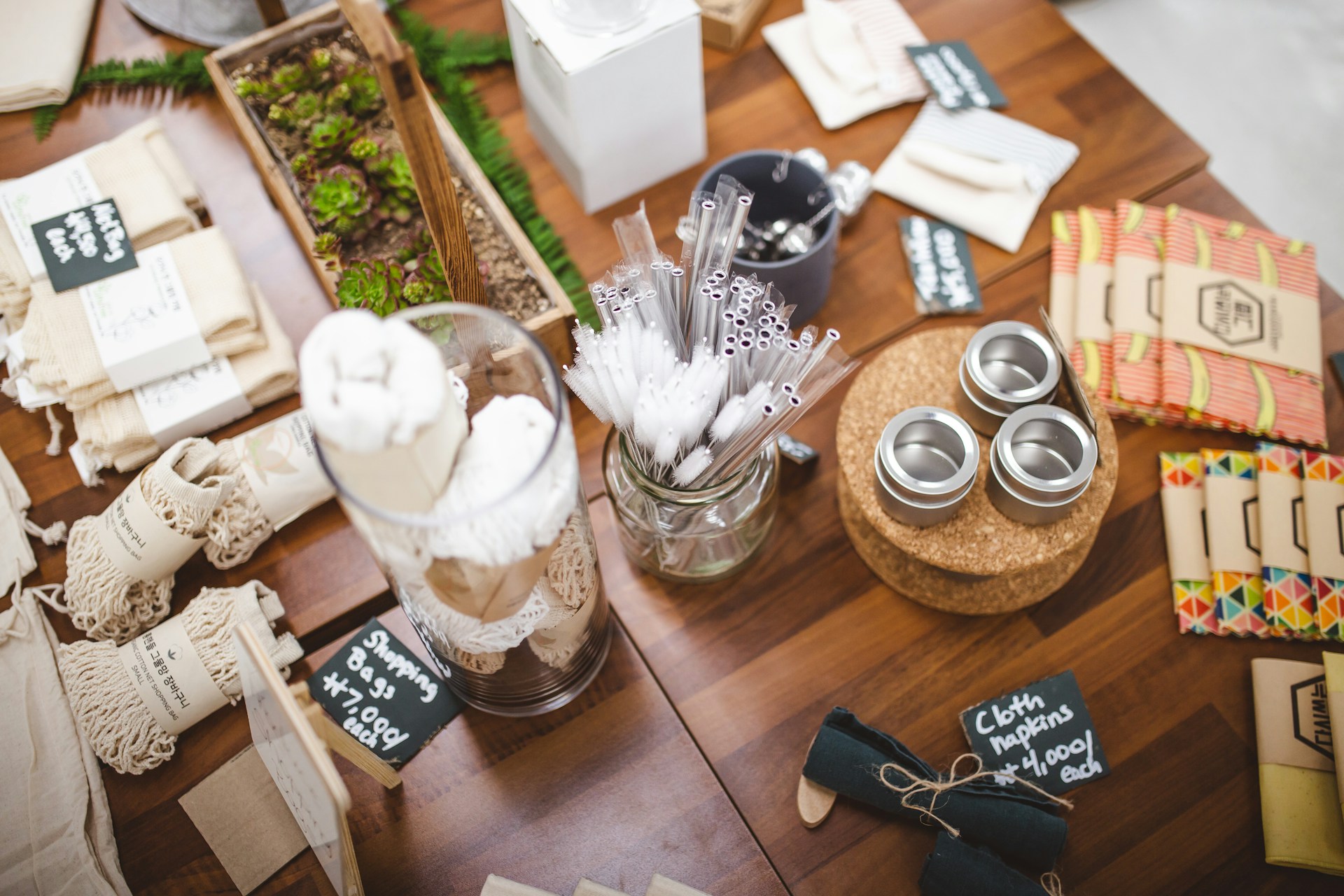
Reusable beeswax wraps can replace plastic cling wrap for covering leftovers and wrapping sandwiches. Cloth napkins and washable kitchen towels take the place of paper towels without any meaningful inconvenience. Silicone bags are durable, dishwasher-safe alternatives to zip-lock plastic bags and can be used hundreds of times.
For cleaning products, concentrated refillable options are becoming widely available and significantly reduce the number of plastic bottles entering your recycling bin or landfill.
Building a Sustainable Routine That Sticks
The reason many people fall back on old habits is not a lack of motivation — it is a lack of convenience. The most effective eco-friendly swaps are the ones you barely notice. When a product works just as well, arrives on a schedule you can count on, and costs about the same as what you were already buying, it stops feeling like a sacrifice and starts feeling like a default.
That is where companies built specifically around sustainable living products make a real difference. Resources like SeekBamboo.com bring together bamboo and plant-based alternatives to common household staples, making it easier to find consistent, well-made options without having to research each product individually.
The goal is not perfection. Nobody eliminates every piece of plastic from their life on day one. But identifying two or three categories where you make regular purchases and committing to greener alternatives in just those areas is a genuinely meaningful step. Over the course of a year, those changes compound — fewer trees cut, fewer plastic bottles manufactured, less waste headed to landfill.
A more sustainable household is built one swap at a time. The most important thing is simply to start.