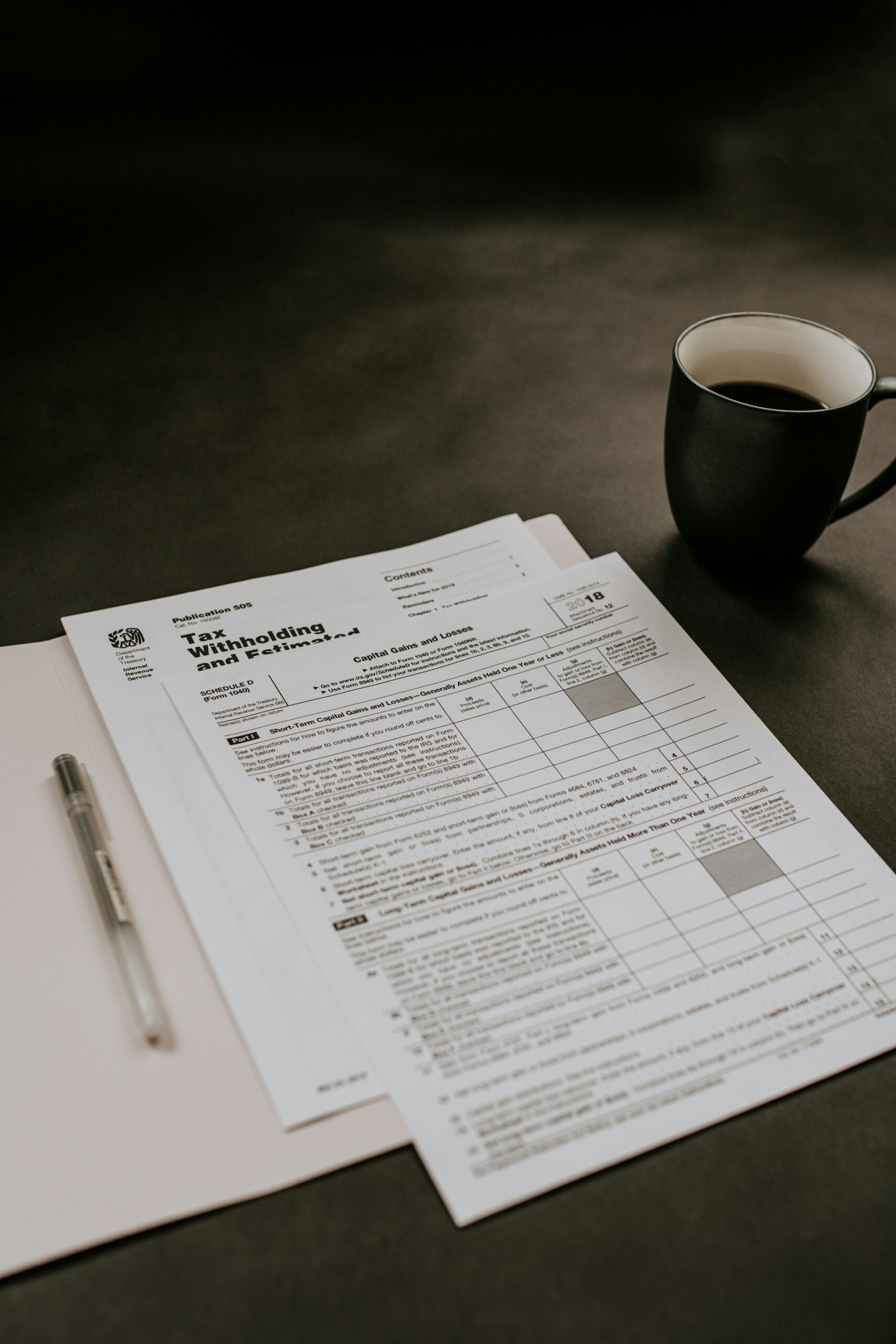
UNITED STATES—Tax season can be one of the most confusing and detail-oriented times of the year if you’re a tax professional, small business owner, or individual filing out your return. With paperwork, receipts, and forms in lug, efficiency and professionalism rely on organization.
One of the most potent and image-establishing items for being organized and making a good impression is an imprinted tax return folder. Folders are guardians of confidential information and a professional, branded presentation that imparts credibility and concern.
Properly utilized, they can make a routine tax filing an effective, client-focused process. Creating personalized tax return folders can be complex, but with the right approach, it becomes easy with long-term returns.
In this step-by-step guide, it covers everything you should know so that you can plan, order, and create personalized tax folders that are functional and beautiful.
1. Determine Purpose and Audience
Before placing an order for a custom tax return folder, please take a moment to consider who will be using them and for what purpose.
Are you making them to give to clients or for internal use, or both? Tax professionals do not often use custom folders to professionally bind their clients’ returns, but individuals may require them for domestic accounting purposes. Your end destination will determine the design, quality, and level of customization you choose.
If the folders are being presented to clients, appearance and branding are key. They need to be professional and represent your company’s image.
However, if they’re actually for in-house or personal purposes, function over form may be more necessary. By establishing your tone right away as to who you are designing for, you can later make your design choices with them in mind.

2. Choose the Appropriate Type of Folder
In this step you need to select what type of folder you want. Custom tax return folders come in many forms, each designed to suit different needs. Traditional two-pocket folders, tri-panel folders and accordion folders are among the more popular types.
Pocket Folders are ideal for presentations, since they have two pockets to keep your presentation materials organized. Two-pocket folders are a great choice when your documents need to be easily accessible. Handouts will stay neat and organized in this two-pocket paper folder.
The angled cut on the right pocket of this two-pocket presentation folder offers easy access to your papers or business cards. Measures: 11. 75″ x 9. Tri-panel folders offer more room and are the best option for clients who need to receive multiple documents, such as financial statements or other tax-related items. Accordion folders are perfect for long-term use and are a must-have for protecting your important documents in harsh environments.
Moreover, think about whether you will use business card slits, CDs/DVD trays, or die-cut windows on pre-printed labels. After all, your style choice should be a blend of what serves you in form and function, with the impression you want to make.
3. Use High Quality Materials
The way you manage your tax folder speaks volumes about accounting professionalism. Clients will instantly sense the finish, thickness, and texture of materials you employ. Use high-quality stock not only to cover contents but to maintain your corporate image.
Most custom tax folders utilize 80 pound to 120 pound cardstock. To provide a high-end appearance, use high-end materials such as linen or embossed paper. These papers give the impression of luxury and added durability. Gloss finishes convey an impression of freshness and minimalism, while matte finishes evoke a sense of timeless sophistication.
When making material selections, don’t forget about practicality. Darker colors, for example, are less prone to fingerprints, and lighter colors provide better contrast for printed text and logos. The goal is to strike the proper balance between durability, readability, and appearance.
4. Add Custom Printing and Finishing Options
Once done, printing and finishing options can turn your tax folders from ordinary to extraordinary. Very few printers will be able to provide you with options like foil stamping, embossing, and debossing, which can make your design look much more professional and honest, when printed.
Foil stamping creates a metallic look, such as gold or silver, that will turn heads. Embossing raises your logo or wording above the surface for a textured feel, and debossing imprints it to make it less in-your-face.
5. Proper Ordering of the Contents
Once your folders are finally delivered, it is then your task to assemble them correctly. Start by sorting papers into common-sense categories, such as the client’s copy of the return, backup schedules, and letters. Place each batch of documents tidily into its corresponding pocket.
You can also include helpful items, such as a letter explaining the return, a checklist to prepare for next year, or tips for record-keeping. Branded pens and business cards are even included by some preparers as that extra touch of professionalism.
Labeling is also a significant organization. Suppose you have more than one client; label or mark each folder just once. It helps in easy identification and prevents confusion. A simple, smooth assembly routine not only enhances efficiency but also makes your service appear effortless and trustworthy.
Conclusion
Tax return folders to order is a touch that will create a lasting impression on organization, professionalism, and client impression. From establishing purpose to selecting materials, design components, and determining contents, every aspect of the process is geared towards the final presentation that exudes excellence.
When your clients get their completed returns in a neat, professionally assembled folder, they don’t merely glance at forms; they sense the effort and attention that go into each phase of your work. The time and labor you invest in assembling individual folders not only streamline your process but also cements your brand and builds lasting trust.