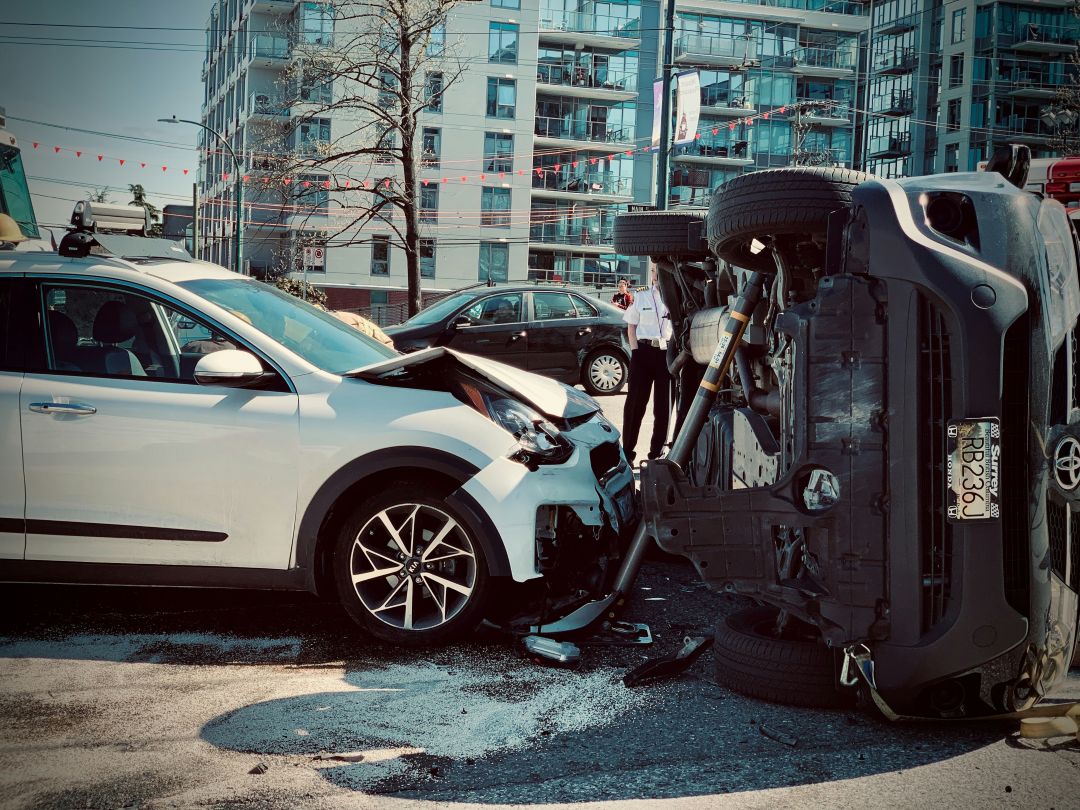
The outcome of a car accident claim is shaped by far more than the damage left on a vehicle. The facts behind the collision, the injuries that follow, the financial losses involved, and the question of responsibility can all affect how the claim develops. Insurance coverage may also play a part in the overall picture.
A claim involving a serious injury and months away from work can look very different from one involving minor treatment and limited losses, even if both crashes appear similar. A car accident claim takes shape through these details, and that is where the real difference in outcomes can be found.
The Facts Behind the Collision
Every accident leaves behind clues about what happened. A police report may record the basic details, while photographs can show vehicle damage, road conditions, traffic signs, and the position of the vehicles. Witness accounts can also provide another view of the collision.
These details matter because the first description of an accident does not always contain everything that happened. Drivers may remember the same event differently, especially after a stressful collision. Vehicle damage can also provide information about the way the vehicles came into contact.
Other records may add more information to the picture. Traffic signals, road layouts, available video footage, and other evidence can help show how the collision unfolded. Clear information can make the events easier to establish, while gaps or conflicting accounts can leave important parts of the accident less certain.
The Severity and Effects of the Injuries
The condition of the people involved can change the financial side of a claim considerably. A minor injury may require limited treatment, while a serious injury can involve hospital care, follow-up visits, rehabilitation, and a long recovery period.
The effects may also reach beyond medical treatment. An injury can make it difficult to walk, lift objects, drive, work, or handle normal household tasks. Someone who needs weeks or months to recover may face a very different set of losses from someone who returns to normal activities quickly.
Medical records can help show the type of injury and the treatment connected to it. The recovery period can also matter because the financial effect may continue after the first hospital or doctor’s visit. A serious injury can affect both daily life and the ability to earn income, creating a broader picture of loss.
Responsibility for the Crash
Fault can give a claim another layer of complexity. The details may include a driver speeding through traffic, looking at a phone, turning without enough care, following another vehicle too closely, or failing to yield.
Still, one driver’s action may not explain everything. Other drivers, road conditions, traffic signals, and the movement of vehicles can all form part of the circumstances. A collision may involve more than one factor, so the full sequence of events deserves attention.
Accounts from the drivers and witnesses may also differ. One person may remember a vehicle moving quickly, while another may describe the traffic differently. Evidence connected to the crash can help provide context for these different accounts.
The outcome can therefore depend on how clearly the circumstances of responsibility can be established rather than simply on which vehicle suffered the most damage.
Insurance Coverage and the Financial Picture
Insurance is another part of the claim that can affect the overall situation. The policies involved, available coverage, and policy limits can differ from one accident to another. More than one driver or vehicle may also be connected to the same collision.
This can make the insurance side less straightforward than it first appears. A claim may involve questions about which policies are connected to the accident and what coverage exists under those policies.
Insurance does not describe the entire value of a claim, but it can be an important part of the financial picture. The circumstances of the crash, the injuries, the losses, and the available coverage all fit into the larger assessment.
Similar Accidents, Different Outcomes
Two crashes can look almost identical from the outside and still lead to very different claims. One driver may walk away with minor injuries and limited expenses, while another may need long-term treatment and miss months of work.
The difference may also come from the facts surrounding responsibility or the information available about the collision. A damaged bumper tells only a small part of the story. It does not show the medical care, lost income, recovery time, or insurance issues that may follow.
That is what makes each accident different. The outcome is shaped by the details behind the damage, not by the appearance of the vehicles alone.
Final Thoughts
No single factor determines how every claim develops. The facts surrounding the collision, the severity of injuries, responsibility, financial losses, and insurance coverage can all affect the overall picture. Similar crashes can still create very different circumstances for the people involved. The clearest view comes from looking at what happened, what harm followed, and what financial effect the accident created.
For someone dealing with a car accident claim, these details can show why the outcome may differ from one case to another. The damage may start the story, but the details reveal the bigger picture.