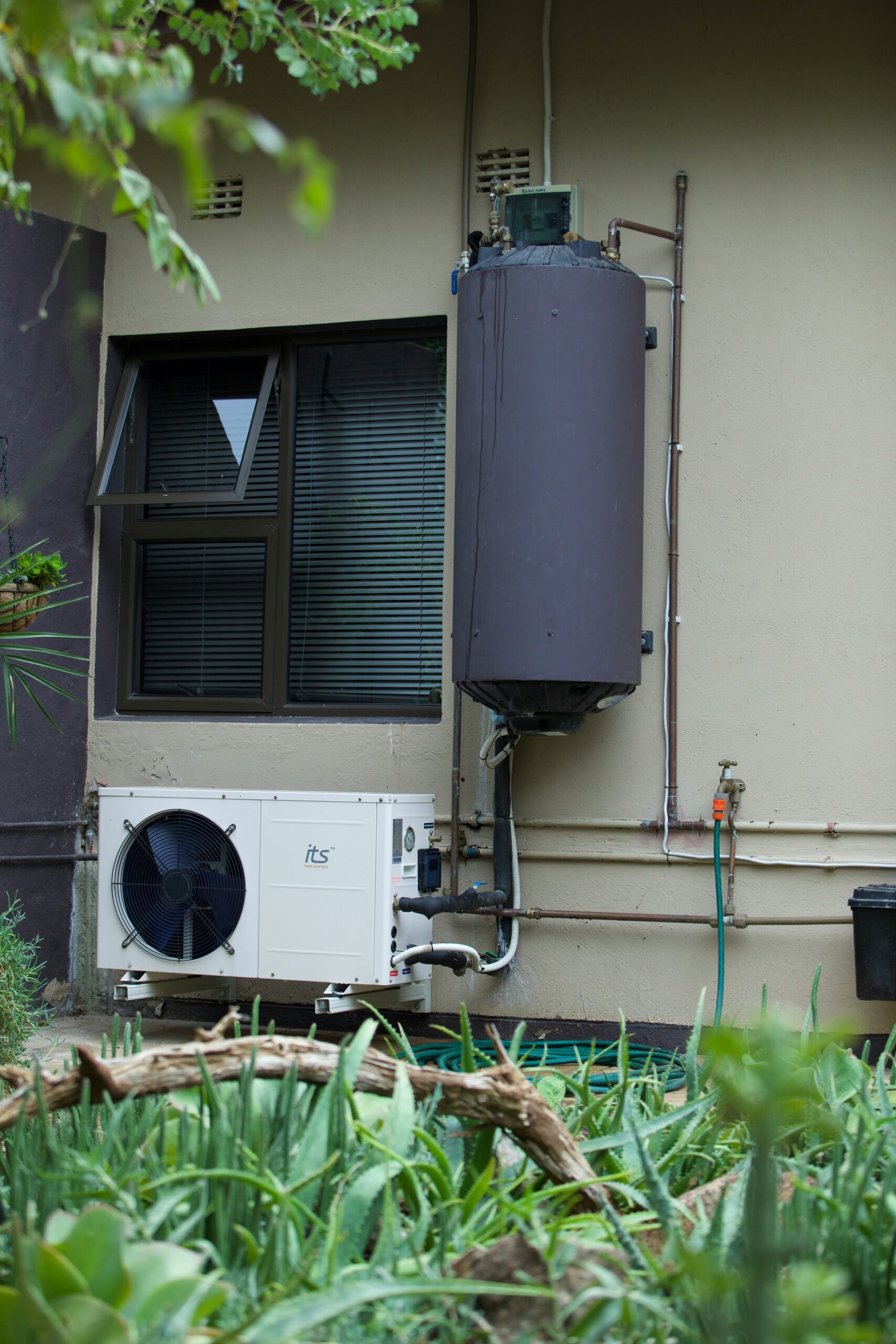
Hot water feels automatic until monthly power costs start rising. Standard electric tanks heat through resistance elements, a process that draws heavy current during every recovery cycle. Hybrid heat pump water heaters use a gentler method. They move warmth from nearby air into stored water, then call on backup elements during higher demand. That change helps households reduce energy waste without altering showers, laundry, dishes, or familiar routines.
Smarter Heat Transfer
A hybrid unit behaves like a refrigerator running in reverse. It gathers ambient warmth, concentrates that heat, and passes it into stored water. During replacement planning, many owners compare ProLine XE Voltex Hybrid Electric Heat Pump Water Heaters with standard electric tanks because this product type combines heat pump recovery, storage volume, and element support for busy homes without changing plumbing habits.
Why Bills Drop
Creating heat through resistance takes substantial electricity. Moving existing warmth usually requires far less power. That difference explains the steady savings seen across normal household use. The compressor handles routine recovery, while electric elements step in during heavier draws. Instead of running at full intensity after each shower, the system uses a lower-energy process whenever conditions allow.
Efficiency Ratings Matter
Efficiency labels give buyers a useful point of comparison. Higher ratings usually mean more heated water for each unit of electricity consumed. Still, the right match depends on tank capacity, room temperature, household size, and daily habits. A family with predictable demand may gain more value than a home where hot water use stays unusually light.
Everyday Savings Add Up
Water heating often sits near the top of residential energy use. Small efficiency gains can become meaningful across hundreds of recovery cycles each year. Hybrid systems save quietly because no one must manage them hour by hour. The appliance adjusts its operating mode in the background, delivering needed water while limiting unnecessary electrical draw.
Storage Helps Comfort
Stored hot water gives families a dependable buffer during busy mornings, evening cleanup, and back-to-back chores. The tank holds heated water for later use, while the heat pump restores supply over time. Backup elements assist when demand rises quickly. Sizing still matters. A tank that is too small can leave users waiting, even if the equipment runs efficiently.
Best Placement
Placement has a direct effect on performance. Hybrid heaters need enough surrounding air because the heat pump draws warmth from the room. Garages, basements, utility rooms, and larger closets often work well when clearance and airflow meet installation guidance. Tight spaces can reduce recovery speed. Planning should also account for condensate drainage, sound, maintenance access, and nearby temperature swings.
Climate and Room Effects
Room conditions shape compressor performance. Warmer air helps the system recover faster and operate with more efficiency. Colder locations may trigger electric backup more often, especially during winter. That does not remove the benefit, but it can change the savings estimate. Local weather, basement insulation, garage exposure, and seasonal temperature shifts all deserve attention before installation.
Rebates and Tax Credits
Incentives can improve the financial case. Many high-efficiency water heaters may qualify for utility rebates, state programs, or federal tax credits. Rules change by location and year, so buyers should confirm current requirements before purchase. A lower upfront cost can shorten the payback period and make the upgrade easier for households managing a careful budget.
Noise and Maintenance
Hybrid models contain fans and compressors, so they sound different from basic electric tanks. The noise is often acceptable in garages, basements, or dedicated utility areas. Filters need periodic cleaning because airflow supports efficient heat transfer. Simple maintenance protects performance. Clear vents, clean filters, and scheduled inspections help the system recover properly over its service life.
Long-Term Value
The strongest returns usually appear in homes with steady hot water demand and higher electricity rates. Larger families, frequent laundry, and regular dishwashing make water efficiency and energy savings easier to see. Initial cost may be higher than a standard tank, yet lower operating expenses can offset that difference over time. Warranty terms, installation quality, and proper sizing also influence the final result.
Conclusion
Hybrid heat pump water heaters lower bills by changing how heat reaches the tank, not by asking families to use less hot water. They move warmth efficiently, store it for daily needs, and rely on electric backup only during heavier demand. Correct sizing, thoughtful placement, and available incentives all improve results. For many homes, this quiet efficiency turns a routine appliance replacement into a practical long-term savings choice.