LOS ANGELES—Southern California has always been at the intersection of culture, technology, and the outdoors. From the fitness studios of West Hollywood to the hiking trails of the Santa Monica Mountains and the surf breaks off Malibu, Angelenos have long demanded products that keep pace with their active, experience-driven lives. Wearable technology, once a niche category associated with early adopters and tech conferences, has quietly moved into the mainstream here in a way that reflects the region’s broader values: function, aesthetics, and freedom of movement.
The wearables market has evolved well beyond its fitness tracker origins. Today it spans everything from health-monitoring rings and GPS smartwatches to open-ear audio devices and a new generation of smart glasses that are attracting serious consumer attention from Bel Air to Burbank. For a region that spends much of its life outdoors and values both appearance and efficiency, the timing could not be better.
The Wearables Market Comes of Age
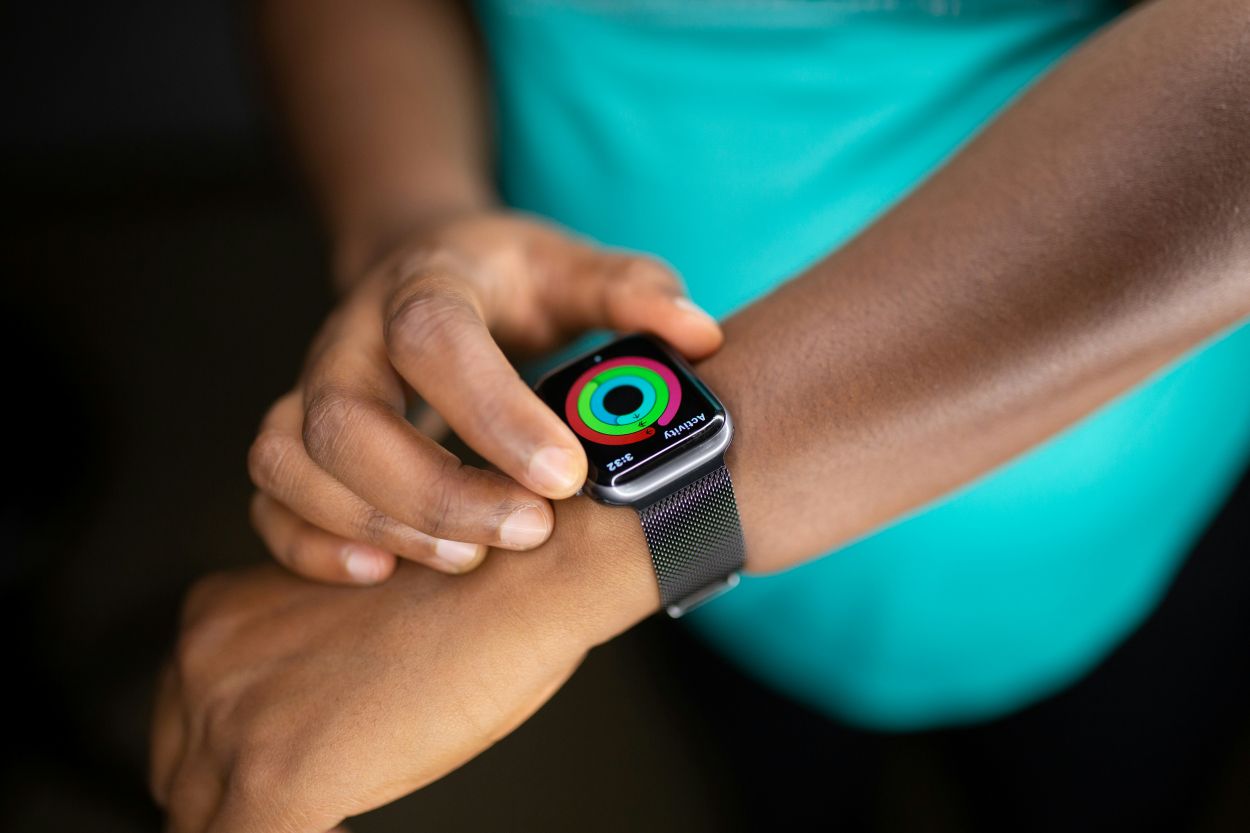
Just a few years ago, the wearables conversation in Los Angeles centered almost entirely on smartwatches. The Apple Watch and its competitors became standard equipment for anyone serious about fitness tracking, heart rate monitoring, or simply staying connected without pulling out a phone at the gym or on the trail.
That baseline has now expanded. Fitness rings offer discreet biometric data for those who prefer not to wear a watch. GPS-enabled devices designed specifically for hiking and trail running have found a large and enthusiastic market in the canyons and mountains that frame the city. Hearing enhancement and open-ear audio wearables have become everyday tools for commuters and outdoor enthusiasts alike.
The thread connecting all of these products is a shift in how people think about the phone. For much of the past decade, the smartphone was the center of the personal technology universe. Wearables are increasingly designed to reduce dependence on it, moving key functions to the body in ways that are less intrusive and more compatible with an active life.
Smart Glasses Move From Concept to Everyday Carry
Few categories illustrate this shift more clearly than smart glasses. The technology has undergone a significant image rehabilitation since the early days of Google Glass. Where early versions were bulky, conspicuous, and functionally limited, today’s offerings are indistinguishable from standard sunglasses until you look closely.
Tech reporters covering the space have noted that smart glasses represent one of the most significant wearable developments in years, describing them as the company’s push toward a future where users interact with technology through what they are already wearing rather than through a screen held in their hand. That framing resonates in Los Angeles, where the friction between digital life and physical experience is felt acutely.
Analysts tracking the category have described 2025 and 2026 as a turning point. Industry observers note that growing consumer comfort with AI-enabled devices has combined with meaningful hardware improvements to create a product category that finally delivers on its early promise. Global shipments of smart glasses are projected to nearly double by the end of the decade, driven in part by the kinds of urban and outdoor use cases that define life in Southern California.
The AI Glasses With Camera Category
The most practical application driving adoption right now is hands-free capture. AI glasses with camera built into the frame allow wearers to photograph and record video from their natural point of view without removing anything from a pocket or interrupting what they are doing.
For Angelenos, the applications are immediate and obvious. A cyclist on the Ballona Creek path capturing their morning commute. A hiker recording a summit view from the San Gabriels with both hands on their trekking poles. A paddleboarder in the Pacific getting footage from water level without risking a phone. The hands-free format solves a problem that action cameras partially addressed but never fully resolved, because it requires no mounting hardware and looks like ordinary eyewear.
Beyond capture, the open-ear audio capability means the glasses double as a listening device that keeps users aware of their surroundings, a meaningful consideration in a city where solo runners, cyclists, and hikers regularly navigate traffic and mixed-use trails. Unlike earbuds that create an audio seal, smart glasses direct sound toward the ears while leaving the ambient environment audible.
The design has also matured to the point where wearing them into a business meeting, a boutique, or a restaurant on Melrose does not require explanation. For a market that has always placed a premium on looking the part, this is not a minor consideration.
Active LA and the Outdoor Connection
The fit with Southern California’s outdoor culture runs deeper than convenience. The region’s outdoor fitness scene has grown substantially in recent years, with residents increasingly building their routines around activities that cannot be done from a gym: surfing, canyon hiking, open-water swimming, skateboarding, and trail running. All of them share a common quality: they are difficult or impossible to document with a traditional camera or smartphone without compromising the activity itself.
Smart glasses address that gap directly. A surfer cannot check a phone between sets. A skateboarder cannot hold a camera while learning a new trick. A trail runner will not stop to frame a shot. For all of these users, a wearable that captures automatically and continuously, without interrupting the physical activity, is genuinely useful rather than merely interesting.
The combination of UV protection and camera functionality also makes particular sense in a city where outdoor activity is year-round, and sun exposure is a constant consideration. Sunglasses are not an accessory in Los Angeles; they are standard equipment. That a pair can now also handle audio, photography, and AI assistance represents a meaningful consolidation of what people are already carrying.
Function and Fashion in Equal Measure
Beverly Hills and its surrounding neighborhoods have always been early markets for products that merge quality design with practical function. The fitness accessories, athletic gear, and lifestyle technology that show up first in West Hollywood and Brentwood tend to move outward from there into broader adoption.
Smart glasses follow that pattern. They arrived first as enthusiast products and are now appearing on the faces of people who would never describe themselves as tech-forward. The key shift is that the design has caught up with the function. A product that looks like a thoughtful pair of sunglasses and happens to contain a camera and speaker system requires far less explanation to a style-conscious consumer than a product that announces its technology in its appearance.
For those evaluating the full picture of wearable athletic gear and lifestyle technology, smart glasses now sit alongside fitness trackers and GPS watches as a category with clear, practical value rather than speculative future potential.
Looking Ahead
The pace of development in this category is not slowing. Advances in battery life, lens quality, and AI capability are expected to expand what smart glasses can do while continuing to shrink the hardware required to do it. In a city that prizes mobility, aesthetics, and a seamless connection between indoor and outdoor life, the trajectory points toward broader and faster adoption than most product categories achieve.
What began as a niche experiment is now a product category that fits, almost naturally, into the way Los Angeles already lives. That may be the clearest measure of whether a technology has actually arrived.