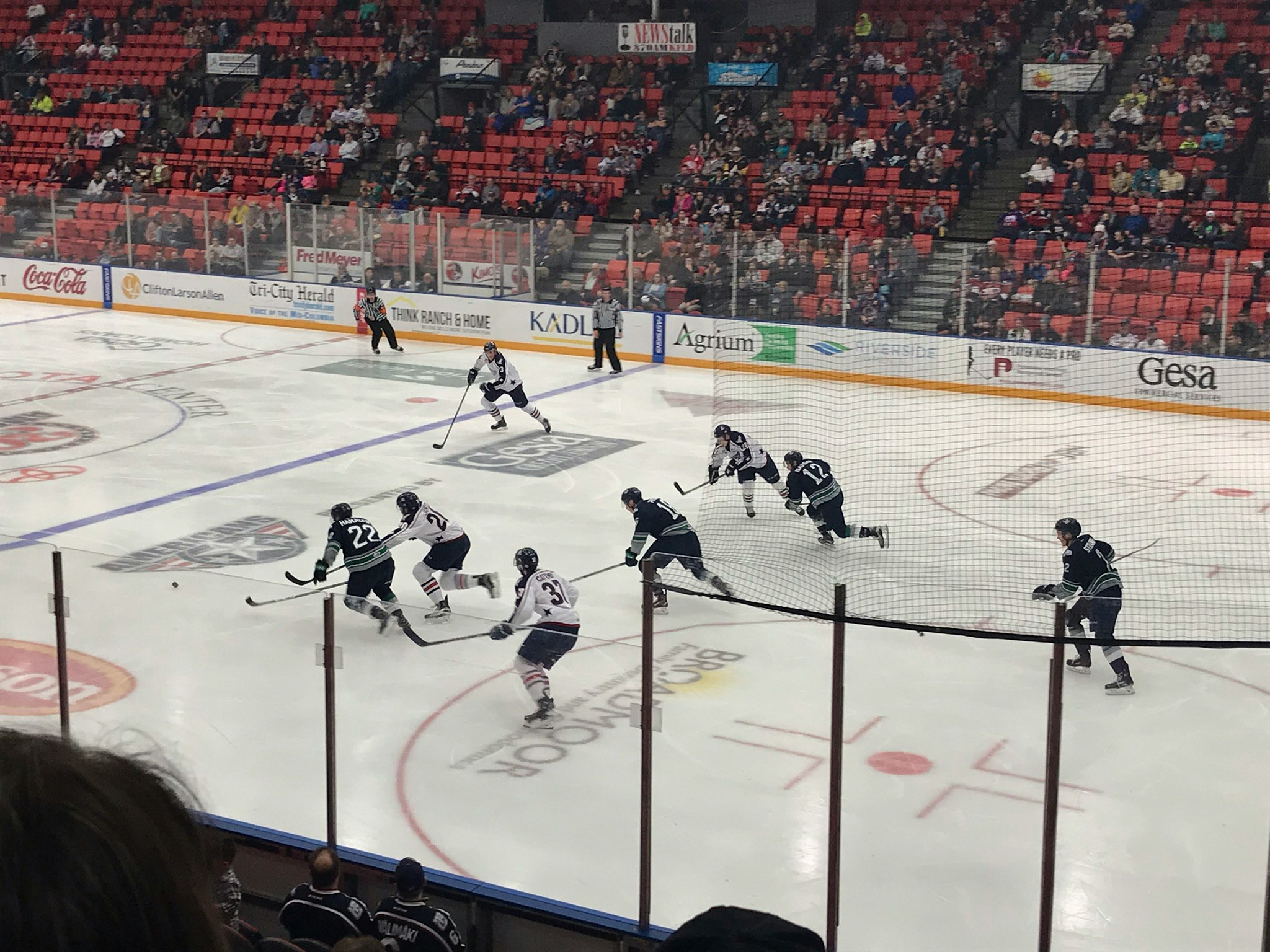
UNITED STATES—The 2025 Stanley Cup Playoffs have arrived with the kind of intensity that keeps fans glued to their seats—and bettors glued to their odds screens. This postseason is not just about iconic goals and jaw-dropping saves; it’s about unpredictable outcomes, buzzer-beating victories, and the rise of underdogs. Every shift and faceoff are changing not just the scoreboard, but also the betting landscape.
In a season marked by tight series, overtime thrillers, and shocking upsets, interest in wagering has never been higher. These playoffs are delivering emotional swings and strategic implications that go beyond just entertainment.
High Stakes, Higher Interest
Every spring, NHL fans expect fast-paced hockey and playoff heroics. What they may not have expected this year is just how volatile—and compelling—the betting markets would be. From Game Seven nail-biters to early exits by top seeds, this year’s bracket has already tossed out the script. That unpredictability has translated into a surge of betting volume. Sportsbooks have reported increased handle not only on series outcomes, but also on player props, period totals, and live bets as the games unfold.
The drama unfolding in real time has driven in-game betting to the forefront. Bettors are no longer waiting until intermission to place wagers. They’re reacting to momentum shifts within periods, like power-play opportunities or goaltender changes. The faster pace of decision-making mirrors the speed on the ice. And in a postseason where no lead seems safe, bettors are starting to embrace volatility instead of fearing it.
Underdogs and Upsets: A Bettor’s Playground
What’s a better recipe for engagement than watching a lower seed take down a perennial powerhouse? This year’s playoffs have served up plenty of that. The Washington Capitals, widely seen as a fringe team before the postseason, knocked off the Canadiens in a tight series. Meanwhile, the Winnipeg Jets stunned the Avalanche and now find themselves matched against the Dallas Stars, who had a hill to climb in a dramatic Game Seven.
From a betting standpoint, these upsets have proven lucrative for those who saw value in the underdogs. Futures markets have been shaken up. Odds boards are shifting by the day, and players that were long shots for the Conn Smythe Trophy are suddenly being taken seriously. That kind of movement is exactly what keeps bettors engaged and scanning for the next edge.
Live betting in particular benefits from this kind of playoff chaos. When a favorite falls behind early, sharp bettors look for better odds-on comeback victories. It’s not just about who wins anymore—it’s about how they win, when they turn the tide, and whether their top line delivers when it matters most.
Player Props Steal the Spotlight
While money lines and puck lines still dominate, player performance bets have seen a sharp rise in popularity this postseason. Bettors are zeroing in on individuals—shots on goal, power-play points, time on ice, and even blocked shots. The playoff spotlight naturally shifts to star power, and when players like Connor McDavid, Matthew Tkachuk, or Jake Oettinger take the ice, bettors follow their every move.
The rise of player props is partly fueled by the nature of playoff hockey. Teams shorten their benches. Star players log massive minutes. Matchups become more tactical. For sharp bettors, that means the data becomes more reliable and the trends more telling. If a winger is seeing more time on the top power-play unit or a defenseman is being leaned on to kill penalties, those insights become betting opportunities.
Reputable online betting platforms like FanDuel Sportsbook have contributed to this trend by offering a wide range of player-based markets, giving bettors more flexibility and depth in how they engage with the postseason.
This year’s postseason has also revealed breakout performances from less-heralded skaters. When a third liner unexpectedly puts up goals in consecutive games, the betting markets adjust. That constant recalibration adds depth to the experience—bettors aren’t just following the game; they’re analyzing it in real time.
Goaltending: The Wild Card
Playoff goaltending always carries weight, but in 2025, it’s had a dramatic script of its own. From acrobatic saves to third-period collapses, netminders have been at the heart of the drama. Bettors who focus on save props, goals against, and game totals have had their hands full.
The Vegas Golden Knights, known for rotating goaltenders during the regular season, have leaned into that depth. Meanwhile, teams like Carolina have relied heavily on one dominant presence between the pipes. That contrast in strategy has created opportunities for both bettors and analysts. The minute a starting goalie is pulled—or injured—the odds shift dramatically. Quick-trigger bettors who monitor these developments have been able to find favorable lines before they adjust.
For those trying to stay ahead of sudden changes or lineup decisions, tracking the latest NHL updates has become essential. Whether it’s a surprise scratch or a morning skate revelation, small news stories can have major betting implications.
What’s more, scoring patterns have become harder to predict. One night may end in a 6–5 shootout, while the next is a gritty 2–1 slog. For over/under markets, this means pregame analysis must now go deeper than expected goal metrics. It must factor in back-to-back fatigue, coaching adjustments, and even referee tendencies.
Intensity Breeds Opportunity
Every period in the Stanley Cup Playoffs feels like it carries the weight of a championship. That pressure reveals character—both in the players and in the markets. When the Toronto Maple Leafs and Florida Panthers locked horns in Game One, the physical tone was set within the first few minutes. That kind of playoff intensity opens up wagering paths: penalties per game, fights, and even discipline-related props are now being watched with more intent.
It also pushes bettors to think more strategically. The best value often lies not in who wins, but how they win. Does a team consistently perform better in the first period? Do they dominate faceoffs? Are they elite on the penalty kill? These secondary metrics, often overlooked in the regular season, are front and center now.
As teams advance and the field narrows, these insights grow sharper. Bettors begin anticipating coaching matchups, line juggling, and psychological warfare. A team down 2–1 in the series but leading expected goals is now a bettable story, not just a stat.