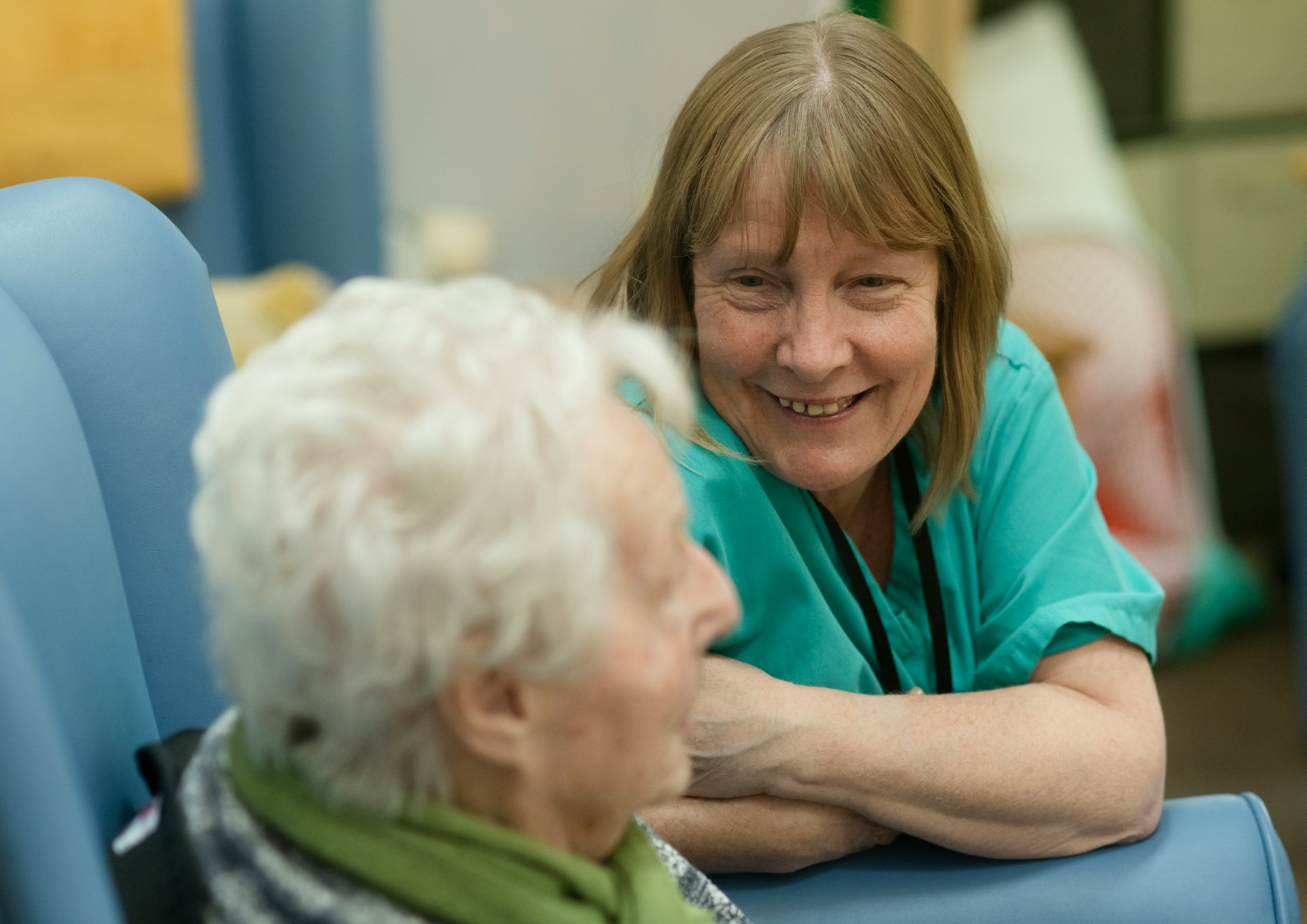
UNITED STATES—Providing long-term care to a family member or someone experiencing health challenges can give rise to emotional and practical issues. That’s why identifying the right time when more support is required can prove crucial for both the individual or patient and their family.
For many families, determining whether they should ask for help is a challenge in itself. Nevertheless, some signs clearly indicate or imply that in-home care services could assist both family caregivers and seniors (or patients) significantly, improving the quality of their lives. Recognizing these signs makes things safer, easier, and more trouble-free for everyone involved in this process.
Difficulty With Daily Activities
Over time, everyday activities like showering, getting dressed, and making meals can become difficult for aging individuals or for those with health concerns. When an individual seems unable to take care of their personal hygiene or looks unkempt, this is a sign of a loss of independence. Expired food in the fridge or meals gone unconsumed might also spell concern. Advancing age presents its own set of challenges, many of which indicate an increasing need for assistance to preserve health and dignity.
Frequent Forgetfulness and Memory Issues
Memory impairments can impact the timing of medications, physician appointments, and everyday activities. Failing to take prescribed drugs can put individuals in danger. Forgetting to pay bills can be another significant concern. Sometimes, seniors may also lose their way while returning from somewhere, get lost in familiar places, or misplace items. These may indicate changes in cognition that need around-the-clock monitoring and gentle help.
Noticeable Changes in Mobility
Walking that does not seem steady, frequent falling, or being unable to stand up from a chair pose significant dangers. Bruises or unexplained injuries may indicate previous falls or accidents. Using mobility aids, such as canes or walkers, incorrectly can put individuals at greater risk. In-home caregivers or specialists can alleviate the potential for accidental injuries by working with the patient to enable them to move safely within the home.
Neglected Household Responsibilities
Once a neat and organized house may now be filled with rubbish or grime. Heaps of clothing, unopened mail, or trash spilling out of bins indicate a general lack of awareness of one’s surroundings. Neglecting maintenance or repairs creates dangers in the home. In-home caregivers help with cleaning, organizing, and managing other household tasks, which leaves the space safe and comfortable.
Social Isolation and Withdrawal
When seniors withdraw from social life or activities, it may be an indication of health-related issues. People who often avoid friends or skip family gatherings may be suffering from depression or loneliness. When people spend more time by themselves, it could signal a loss of confidence or ability. Having someone check up on seniors daily can feel reassuring and inspire interaction with others.
Significant Decrease in Body Mass or Malnutrition
Unusual fluctuations in weight or appetite may also spell trouble. Finding it hard to shop, cook, or feed yourself or prepare meals can result in malnutrition. No food in the pantry or eating only junk food could be some other signs of health-related problems. In-home caregivers can help with meal planning and preparation and ensure individuals stay healthy under their care.
Decline in Personal Hygiene
Matted hair, stained clothes, or bad smells indicate an inability to maintain hygiene. When someone avoids showering or repeatedly wears the same clothes for days, it proves that they need help. This could be due to physical incompetence or because they simply forgot to do these activities. In-home care services also offer support with grooming and hygiene, allowing people to retain their dignity and self-esteem.
Unmanaged Medical Conditions
Chronic conditions lead to several problems. Missing doctor’s appointments or not checking blood pressure or sugar levels can have dire consequences for seniors. Confusion about dosages or schedules of medication often needs to be corrected, and monitoring is essential. In-home care services can help individuals handle their health needs and prevent emergencies.
Caregiver Stress and Burnout
Caregivers may feel overwhelmed or fatigued or find that they have become an emotional wreck. When the demands of caregiving are overwhelming, personal health or responsibilities may be neglected. This creates resentment, guilt, and/or frustration that can negatively affect the relationship. Hence, even if a family member seems fine but is feeling stressed, asking for professional help is a step in the right direction.
Conclusion
Being able to identify when to seek professional in-home care services enables families to make better decisions regarding how to offer support to their loved ones. In-home care empowers your loved ones by keeping them safe, healthy, and happy. Asking for help is a positive move toward providing comfort and peace of mind for all parties.