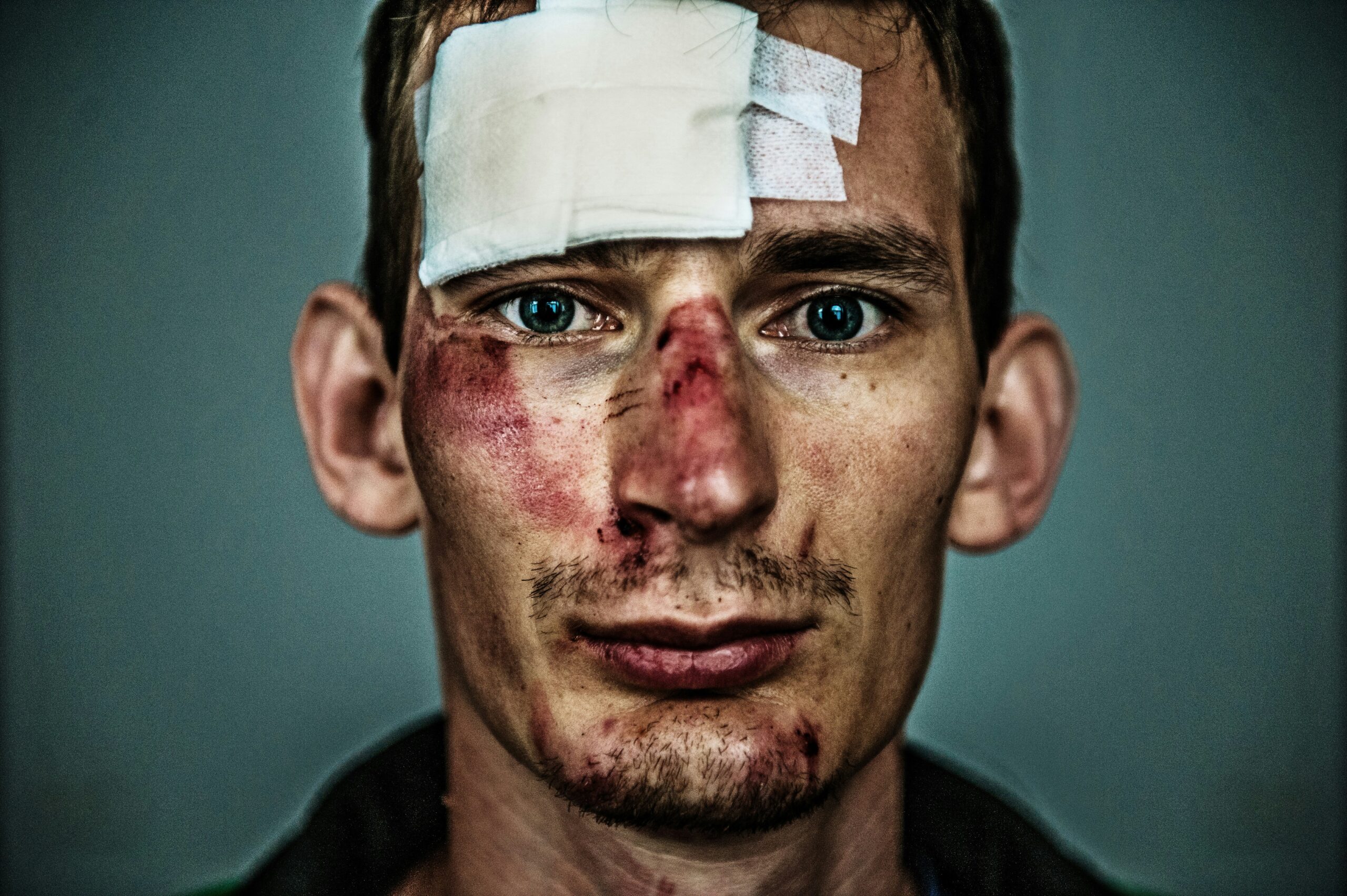
UNITED STATES—Raleigh, North Carolina, the state capital, combines expanding neighborhoods, major hospitals, universities, and busy highways that keep residents and visitors moving every day. With continued growth comes greater exposure to serious traffic collisions, workplace incidents, dangerous property conditions, and other events that can leave people facing lasting harm. In the aftermath, many individuals must balance medical decisions with insurance questions, household responsibilities, and uncertainty about the future.
Understanding how North Carolina’s legal process fits into that reality can help people make informed choices while protecting their rights. Speaking with a Raleigh personal injury lawyer early may help preserve evidence, understand available options, and avoid preventable setbacks during an already difficult time. Knowing what to expect before important decisions arise can reduce confusion and help families prepare for the challenges that often follow a devastating accident, allowing them to focus on recovery with greater confidence and a clearer sense of direction as new circumstances unfold day by day with informed support when it matters.
First Days
In the first days after a major injury, survival and stability become the main focus. Doctors assess trauma, control pain, and prevent secondary harm. Families gather records, track medicines, and handle urgent bills. During this period, many households also speak with a personal injury lawyer because early advice can protect evidence, preserve deadlines, and reduce mistakes while stress remains high for everyone involved.
Medical Plans
Recovery improves when treatment follows a clear, realistic plan. Physicians may recommend surgery, physical therapy, counseling, or long-term pain management. Each appointment creates a record that explains how the injury affects work, sleep, movement, and independence. Those details matter because healing rarely moves in a straight line. Care teams often adjust goals as symptoms change, helping victims measure progress without ignoring setbacks that still require attention.
Financial Pressure
Money problems often deepen the harm caused by a severe crash or fall. Lost wages can arrive before hospital invoices stop growing. Rent, groceries, childcare, and transportation still demand payment. Families may use savings quickly, then face hard choices about treatment or debt. Careful budgeting, disability benefits, and legal claims can ease pressure. That breathing room gives injured people more space to focus on health instead of constant financial panic.
Emotional Impact
Serious injuries affect the mind as much as the body. Many victims experience grief for routines, careers, or hobbies that once defined daily life. Sleep problems, anxiety, and anger can appear even when physical progress looks steady. Counseling helps people process trauma without shame. Support groups also remind families that these reactions are common. Victims should never treat emotional care as secondary because mental strain can slow every other part of recovery.
Family Roles
Families often become informal care teams after a life-changing injury. One person may manage appointments while another handles meals, transport, or insurance calls. These new duties can create exhaustion and tension inside the home. Honest communication helps relatives divide tasks fairly and avoid resentment. Small routines, such as shared calendars or weekly check-ins, reduce confusion. When everyone understands the plan, households usually feel less overwhelmed by sudden responsibility and uncertainty.
Work Changes
Returning to work can be one of the hardest recovery steps. Some victims resume prior duties with accommodations, while others need lighter roles or entirely different careers. Medical restrictions, pain, and reduced stamina may limit what remains possible. Employers, therapists, and vocational specialists can help identify practical options. A gradual schedule often works better than a full return. Steady planning protects income while respecting the body’s actual limits during healing.
Legal Proof
Strong claims depend on proof, not assumptions. Medical records, witness statements, photographs, and income documents help show what happened and how the injury changed daily living. Insurance companies often question severity, blame, or future costs. Clear evidence answers those challenges with facts. Legal teams also review deadlines and liability rules that can affect payment. When documentation remains organized from the beginning, victims usually stand in a stronger position during negotiations or trial.
Long-Term Living
Some injuries leave permanent limits that require lasting adjustments. Homes may need ramps, wider bathrooms, or safer flooring. Vehicles may require adaptive equipment for transport. Daily tasks can take longer, which changes child care, exercise, and social habits. Recovery then becomes less about returning to an old life and more about building a workable new one. Practical adaptation, paired with patience, helps people regain control even when complete restoration remains impossible.
Conclusion
Life after a catastrophic accident rarely returns to its earlier shape, yet meaningful recovery remains possible. Progress usually comes from coordinated care, careful records, emotional support, and realistic financial planning. Families, doctors, employers, and legal advocates each play a role in that process. As injury victims regain strength, they often discover that recovery means more than physical healing. It also means restoring stability, purpose, and confidence in the months and years ahead.